Essential Appliance Maintenance Tips to Prevent Costly Breakdowns
Is there ever a “good” time for your fridge to quit or your dryer to grind to a halt? If you’re like most homeowners, you’d say never. The scramble to save groceries, the looming repair bill, and the stress—none of it is fun. At Appliance Repair Nerds, we’ve seen it all. The truth? Most major appliance breakdowns can be prevented with a little routine care.
Regular maintenance isn’t just a nice-to-have. It’s peace of mind. It’s knowing your kitchen and laundry workhorses are safe, efficient, and ready when you need them. Let’s break down the best ways to keep your appliances humming—so you can sidestep surprise repairs and keep your home running smoothly.
Why Regular Appliance Maintenance Matters
Think of your appliances like the team on a championship roster. A bit of training, some TLC, and a watchful eye go a long way to keeping them in the game. Routine maintenance keeps small issues from turning into disasters—and helps you avoid emergency appliance_repair calls.
- Safety: Faulty wiring, clogged vents, and leaky hoses can pose real hazards. According to the National Fire Protection Association, dryers and ranges are among the top causes of household fires.
- Savings: Energy-hogging appliances drive up utility bills. Clean, tuned-up machines work smarter and last longer.
- Reliability: Nobody wants to wake up to a warm fridge or a puddle under the dishwasher.
Let’s dive into simple but powerful maintenance routines—organized by appliance type.
Kitchen Appliances 🥄
Your kitchen is a busy place. Ovens, refrigerators, dishwashers, and more—each needs specific care to stay reliable.
Refrigerator & Freezer Maintenance
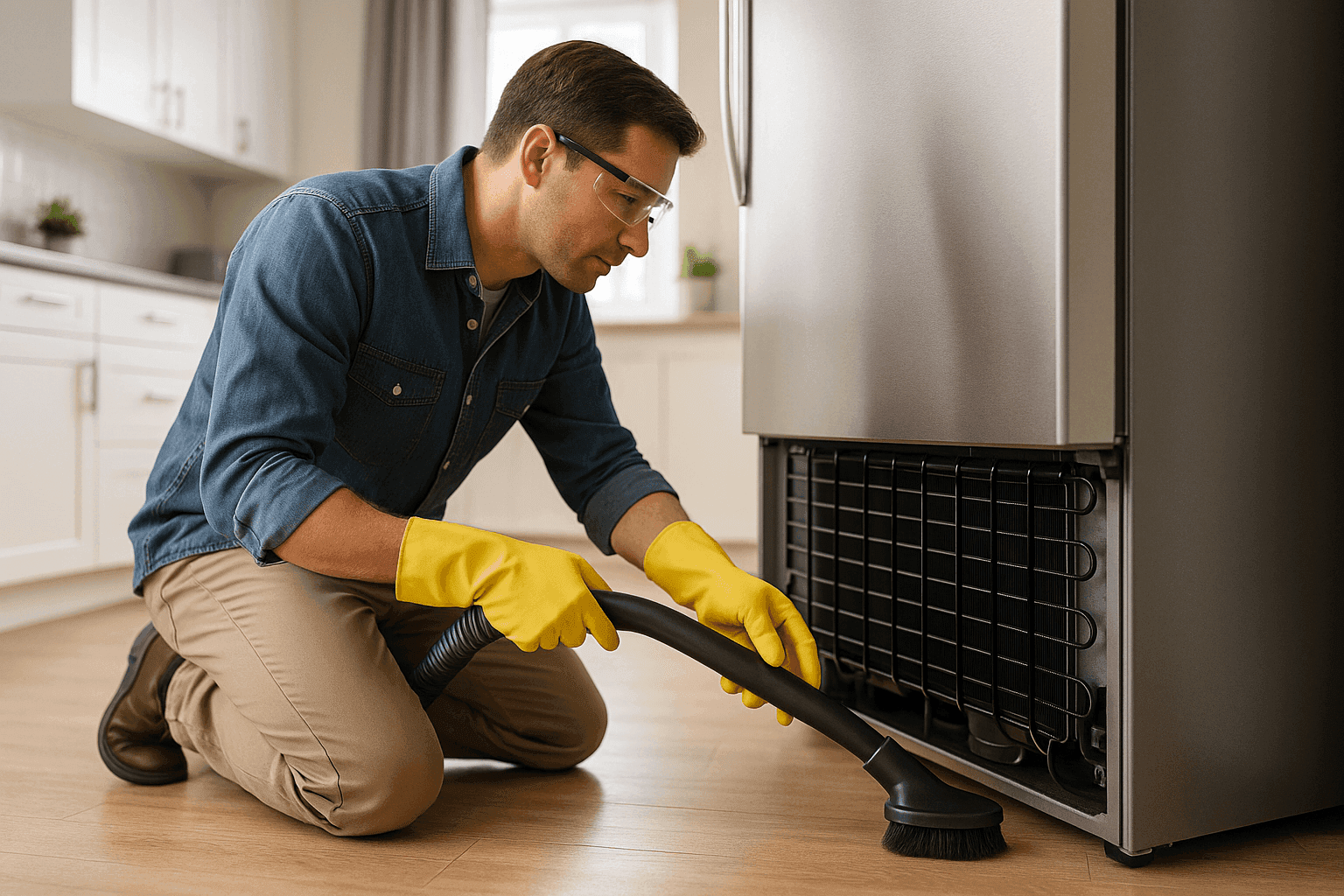
- Clean condenser coils every 6–12 months. Dust and pet hair collect quickly, forcing your fridge to work overtime. Unplug first, then gently vacuum or brush the coils (usually behind or beneath the unit).
- Check door seals (gaskets). Close a dollar bill in the door—if it slides out easily, the seal may need cleaning or replacement.
- Defrost if ice buildup appears. A thick layer of frost hinders efficiency.
- Wipe interior and removable bins with mild soap and warm water. Prevents odor and mold.
Quick Troubleshooting
- Odd noises? Could signal failing fan motors or compressor trouble.
- Leaking water? Check drain tubes and water lines.
- Food spoiling too soon? Temperature settings or dirty coils might be to blame.
Tip: Mark coil-cleaning on your calendar or set a phone reminder. Document each time you do it—just a quick note on a sticky or in your phone.
Oven, Stove, and Cooktop Care
- Inspect door seals. Heat loss equals uneven cooking and energy waste.
- Clean burner grates and drip pans. Use non-abrasive cleaners. For electric cooktops, check for cracked or loose heating elements.
- Test control panels and knobs. If buttons stick or lights flicker, professional Control Panel Repair near you can prevent bigger issues.
Warning Signs
- Unusual smells (gas or burning plastic)? Shut off and ventilate. Call a pro immediately.
- Uneven heating or long preheat times? May signal failing heating elements.
Dishwasher & Garbage Disposal
- Clear filters and spray arms. Food debris blocks water flow. Remove and rinse filters monthly.
- Run a cleaning cycle with vinegar or specialty cleaner. Fights limescale and odor.
- Sanitize water dispensers and check for leaks under the sink.
- Sharpen disposal blades. Feed in a handful of ice cubes monthly.
Red Flags
- Slow draining? Check for clogs.
- Loud grinding? Could mean a stuck object or worn motor.
Laundry Appliances 🧺
A little routine care will help your washing machine and dryer handle heavy loads for years to come.
Washing Machine
- Inspect hoses for bulges or cracks. Replace every 3–5 years—even if they look fine.
- Clean detergent trays and door seals. Prevent mold and buildup.
- Level the machine. Wobbling shortens the life of internal parts.
- Run a tub-clean cycle monthly (or use a hot wash with vinegar).
Common Issues
- Leaking on the floor? Check for loose hoses or door seal issues.
- Strange noises? Could be unbalanced loads or worn drum bearings.
Dryer
- Clean the lint filter before every load. A clogged filter is a fire risk.
- Inspect and clean the dryer vent duct at least annually. Lint buildup here is a leading cause of dryer fires (U.S. Fire Administration).
- Check for hot spots or burning smells. Shut off and call for Dryer Repair if in doubt.
Signs to Watch
- Long dry times? Vent may be blocked.
- Unusual squeaking or rattling? Drum glides or motor may need attention.
Pro Safety Note: Never use a dryer with a damaged or missing lint filter.
Bathroom & Specialty Appliances 🛁
These might not run daily, but they still need care.
Vent & Range Hoods
- Clean filters every 1–3 months. Grease and dust reduce airflow and can be a fire hazard.
- Wipe fan blades and check lighting. Replace bulbs with manufacturer-approved types.
Wine Coolers & Ice Makers
- Sanitize water lines and reservoirs every few months. Use food-safe cleaners.
- Defrost and clean interior surfaces. Prevents mold and maintains efficiency.
Trash Compactors & Garbage Disposals
- Wipe inside walls. Prevents odor buildup.
- Check and tighten mounting bolts. Vibrations can loosen connections over time.
Warning Signs
- Odd odors, slow drains, or jams? Stop use and call for appliance_repair to avoid injury or major breakdown.
Quick Safety Checklist
Before starting any maintenance:
- Unplug or disconnect the appliance.
- Wear gloves and eye protection.
- Use manufacturer-recommended cleaners.
- Never submerge electrical components.
- Keep children and pets away from work areas.
If you’re unsure, it’s always safer to call for professional appliance_repair.
DIY or Call a Pro?
Many maintenance tasks are safe for homeowners—like cleaning filters or checking seals. But if you spot frayed wires, smell gas, or notice persistent leaks, stop. Major repairs (like Control Panel Repair near you, motor replacement, or heating elements) are best left to certified technicians. Safety always comes first.
What Appliance Repair Pros Do on Arrival
When you schedule a service with Appliance Repair Nerds, here’s what you can expect:
- Diagnostic testing using manufacturer guidelines.
- Safety checks on wiring, hoses, and controls.
- Professional cleaning of hard-to-reach components.
- Written documentation of findings and recommended next steps.
- Guidance on future maintenance to extend appliance life.
Certified pros follow the latest National Electric Code (NEC), manufacturer service manuals, and EPA guidelines for refrigerants and safe disposal.
Prevention & Maintenance Year-Round
Routine care is your best defense. Build these habits into your household checklist:
- Clean fridge coils twice a year.
- Check dryer vents every spring and fall.
- Sanitize water dispensers and ice makers quarterly.
- Clean dishwasher and washing machine filters monthly.
Keep a simple logbook—date and task. This not only helps you remember, but it’s gold for warranty claims or future appliance_repair.
Costs & Time Factors
Maintenance is a small investment compared to emergency breakdowns. Most routine cleaning tasks take 10–30 minutes and require basic supplies. Professional inspection visits are affordable and help catch hidden issues early—saving you hundreds or even thousands down the line.
When It’s an Emergency
Don’t ignore:
- Burning smells or smoke.
- Water pooling near electrical outlets.
- Appliance won’t turn off or is sparking.
- Gas odors.
Shut off power (or gas) and call for emergency appliance_repair immediately.
FAQ
How often should I clean refrigerator coils?
Twice a year is ideal—more often if you have pets. Dirty coils make your fridge work harder, raising energy costs and shortening lifespan.
Why does my dryer take forever to dry?
Check the lint filter and vent duct. Lint-clogged vents are the #1 cause of long dry times—and a major fire risk.
Is it safe to use vinegar in my dishwasher or washing machine?
Yes—most manufacturers recommend it for descaling and odor removal. Always check your owner’s manual first.
When should I replace washing machine hoses?
Every 3–5 years, or at the first sign of wear. Even “burst-proof” hoses can deteriorate.
Local & Seasonal Considerations
Extreme temperatures can push appliances to their limits.
- Winter: Protect outdoor appliances and water lines from freezing. Run unused appliances monthly to keep moving parts lubricated.
- Summer: Clean fridge coils and check ventilation—appliances work harder in the heat.
- Storm season: Unplug major appliances during severe weather to prevent power surge damage.
If you’re planning a long trip, unplug non-essential appliances to save energy and reduce risk.
A little routine care today means fewer surprises tomorrow. If you spot warning signs or just want peace of mind, schedule a professional inspection. Nothing beats a trained eye for catching problems early.
Call Appliance Repair Nerds now — or reach us anytime at 888-815-3599 .