How to Diagnose Common Appliance Failures at Home
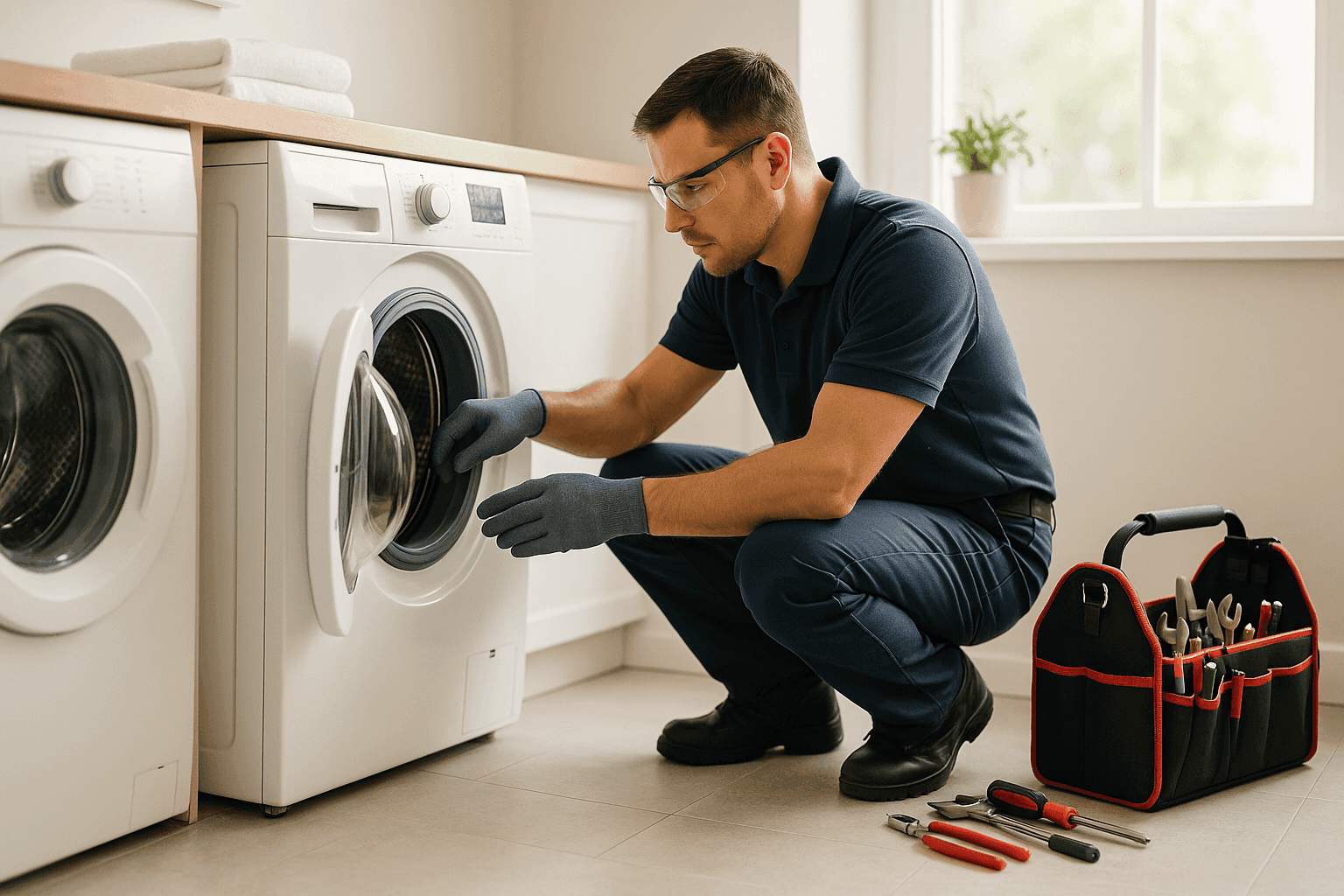
When your fridge hums strangely, your washer stops mid-cycle, or your oven flashes an error code, it can feel like your home’s heartbeat just skipped. Appliances keep our daily routine in motion—and when they fail, chaos follows.
Knowing how to spot problems fast isn’t just about convenience. Early diagnosis can keep small issues from turning into costly disasters. Appliance Repair Nerds is here to walk you through the signs, the safe checks, and the limits of DIY. Let’s get your home humming again.
Diagnosing Refrigerator Issues 🧊
Symptoms
- The fridge is warm but the light is on.
- You hear clicking, buzzing, or no noise at all.
- Water puddles form underneath.
- Ice maker stops working or dispenses odd-tasting ice.
- Frost builds up in the freezer section.
- Error codes flash on the control panel.
Quick Checks
- Power: Make sure the appliance is plugged in securely and the outlet is working (test with a lamp or phone charger).
- Settings: Confirm temperature dials and digital controls haven’t been accidentally nudged.
- Door Seals: Check for gaps or cracked seals—leaky doors let warm air in.
- Coils: Safely vacuum dust and lint from condenser coils (always unplug first).
- Water Line: Inspect for leaks or kinks in water supply hoses, especially if you notice pooling.
When to Call a Professional
- The compressor is hot to the touch or silent.
- Water keeps leaking after you’ve checked the basics.
- Unusual noises persist after moving food away from fans or vents.
- Error codes remain after resetting the fridge.
- You notice a chemical smell or see frost everywhere.
- For anything involving sealed systems, refrigerant, or electronics—leave it to a certified tech.
Expert Tip: According to the U.S. Consumer Product Safety Commission, always unplug appliances before inspecting coils or internal parts.
Dishwashers: Diagnosing Trouble Spots
Symptoms
- Dishes come out dirty or covered in residue.
- Water pools in the bottom after a cycle.
- Loud grinding or banging during operation.
- Door won’t latch or opens mid-cycle.
- Error code appears on the control panel.
Quick Checks
- Power: Confirm the dishwasher is properly plugged in and the breaker isn’t tripped.
- Spray Arms: Remove and rinse out—food debris easily clogs them.
- Filter: Twist out and clean the filter underneath the lower rack.
- Door Latch: Wipe the latch clean and check alignment.
- Inlet Hose: Look for kinks, leaks, or blockages.
When to Call a Professional
- Persistent leaks or flooding.
- Burning smells or visible sparks.
- The dishwasher won’t start even after checking power sources.
- Control panel buttons are unresponsive.
- For issues with the control board, heating element, or major leaks, seek appliance_repair help.
Safety Reminder: The National Fire Protection Association warns that electrical failures in dishwashers can pose shock and fire risks. Never open up back panels or wiring unless you’re trained.
Ovens & Stoves: Heat and Control Problems 🔥
Symptoms
- Oven won’t heat, heats unevenly, or overheats.
- Gas stove won’t ignite, or electric burners don’t glow.
- Burners click but don’t light.
- Unusual smells—gas, burning, or chemical odors.
- Flashing error codes or beeping.
Quick Checks
- Power/Gas: Make sure the oven is plugged in and, for gas models, that the supply valve is open.
- Burner Caps: Reseat loose or misaligned caps on gas burners.
- Control Panel: Reset by unplugging for 60 seconds, then plugging back in.
- Clock/Timer: Many modern ovens won’t turn on if the timer is set incorrectly.
When to Call a Professional
- Smell of gas—evacuate and call your utility company right away.
- Repeated tripping of breakers or fuses.
- Heating elements cracked, glowing unevenly, or sparking.
- Controls unresponsive even after reset.
- Unexplained beeping or error codes that don’t clear.
Expert Tip: The National Fire Protection Association advises that only trained professionals should handle gas line repairs and internal oven wiring.
Washing Machines & Dryers: Diagnosing Laundry Woes
Washing Machines
Symptoms
- Machine won’t start or stops mid-cycle.
- Water won’t drain, or there’s standing water inside.
- Excessive shaking or banging during spin.
- Error codes appear.
Quick Checks
- Power: Test the outlet and reset circuit breakers.
- Door/Lid: Make sure it’s fully closed and the latch clicks.
- Drain Hose: Inspect for clogs, kinks, or frozen sections.
- Load Balance: Rearrange clothes for even weight.
When to Call a Professional
- Leaks from underneath or back panel.
- Burning smell or smoke during use.
- Drum won’t turn, even after a reset.
- Error codes persist.
- Loud grinding, squealing, or metallic noises.
Dryers
Symptoms
- Drum spins but no heat.
- Clothes take ages to dry.
- Dryer won’t start or makes odd noises.
- Burning smell or excessive lint behind the unit.
Quick Checks
- Lint Trap: Clean before every load.
- Vent Hose: Check for blockages or crushed sections.
- Settings: Make sure “Air Fluff” isn’t selected by mistake.
- Power: Test outlet, check breaker.
When to Call a Professional
- No heat after power reset.
- Loud thumping, scraping, or squealing.
- Dryer stops mid-cycle or won’t start.
- Any sign of smoke or melted plastic smell.
Expert Tip: According to the U.S. Fire Administration, most dryer fires start with lint buildup. Clean vents and filters regularly.
Microwaves: Small Appliance, Big Red Flags
Symptoms
- No power, or display is blank.
- Doesn’t heat food but appears to run.
- Sparks, burning smells, or popping noises.
- Door won’t close or latch.
Quick Checks
- Power: Make sure it’s plugged in, and test the outlet.
- Door: Check for debris blocking the latch.
- Settings: Reset by unplugging for 60 seconds.
- Turntable: Remove and clean—food debris can cause sparks.
When to Call a Professional
- Sparks, smoke, or burning smells during operation.
- Control panel unresponsive.
- No heat after basic resets.
- Unusual noises from inside the unit.
Safety Reminder: Never attempt to open or repair the microwave’s internal components—capacitors hold dangerous voltages even if unplugged.
Quick Safety Checklist
- Always unplug appliances before inspecting or cleaning.
- Never touch electrical components with wet hands.
- Don’t pry open panels or covers—hidden dangers lurk inside.
- Read your appliance’s manual for model-specific warnings.
- If you smell gas, evacuate and contact your utility company.
DIY vs. Call a Pro
Some fixes are as simple as flipping a switch or clearing a drain. But others—like electrical repairs, sealed system issues, or anything involving gas—cross into “call a technician” territory.
-
DIY is safe when:
- You’re checking power, outlets, or breakers.
- Cleaning filters, lint traps, or coils.
- Inspecting hoses for visible leaks or blockages.
-
Call a professional when:
- You spot sparks, smoke, or burning smells.
- Error codes persist after resets.
- Water or gas leaks are present.
- The appliance is still under warranty (DIY repairs may void it).
- You’re unsure or uncomfortable—your safety always comes first.
What Pros Do On Arrival
When Appliance Repair Nerds arrives, here’s what to expect:
- Visual inspection and safety assessment.
- Use of diagnostic tools to check circuits, sensors, and control boards.
- Reference to manufacturer codes and service bulletins.
- Testing of individual components—motors, heating elements, valves.
- Clear explanation of the issue, repair options, and estimated timelines.
We follow EPA guidelines for refrigerants, OSHA standards for electrical safety, and manufacturer protocols for each brand.
Prevention & Maintenance
A little care keeps most problems at bay:
- Clean coils, filters, and lint traps monthly.
- Check hoses and seals every few months.
- Use appliances within recommended loads and cycles.
- Schedule professional maintenance for high-use appliances yearly.
- Keep manuals handy for error code lookups.
Costs & Time Factors
- Minor fixes: (like replacing a door seal or unclogging a hose) can take under an hour.
- Complex repairs: (like motor replacement or control panel repair) may require parts and take a day or more.
- Emergency repairs: often cost more due to urgency and after-hours work.
- Brand and age matter: Older or specialty models can take longer due to harder-to-find parts.
Remember, a quick diagnosis can save you from bigger, costlier headaches later.
When It’s an Emergency
- Smell of gas or visible flames—exit your home immediately and call emergency services.
- Large water leaks near electrical outlets—shut off the main breaker and water supply.
- Burning smells, smoke, or sparking—unplug the appliance and do not use until inspected.
If in doubt, prioritize your safety and call for emergency appliance repair help.
FAQ: Home Appliance Diagnosis
Q: Are error codes always accurate?
A: Error codes are a helpful clue, but they’re not always precise. Use your manual for guidance, but if codes persist, consult a pro.
Q: Will DIY repairs void my appliance’s warranty?
A: Many manufacturers specify that only authorized service can keep the warranty intact. Always check your manual or warranty card before attempting repairs.
Q: Why does my fridge make clicking noises?
A: Clicks can mean a failing compressor or relay. If the sound repeats and the fridge isn’t cooling, call a technician.
Q: How often should I clean my dryer vent?
A: At least once a year, or more if you dry heavy loads frequently. Lint buildup is a leading cause of dryer fires.
Local & Seasonal Considerations
- Winter: Watch for frozen hoses in laundry or ice makers.
- Spring: Spring cleaning is the perfect time for coil and vent cleaning.
- Summer: High use of fridges and ice makers—listen for strange sounds under heavy load.
- Fall: Prepare ovens and stoves for holiday cooking with a quick checkup.
No matter the season, regular check-ins can prevent a surprise breakdown.
Ready to get your appliances back on track? Don’t risk a costly slip or voided warranty.
Call Appliance Repair Nerds now — or reach us anytime at 888-815-3599 .