The Real Cost of Appliance Repairs: What Homeowners Need to Know
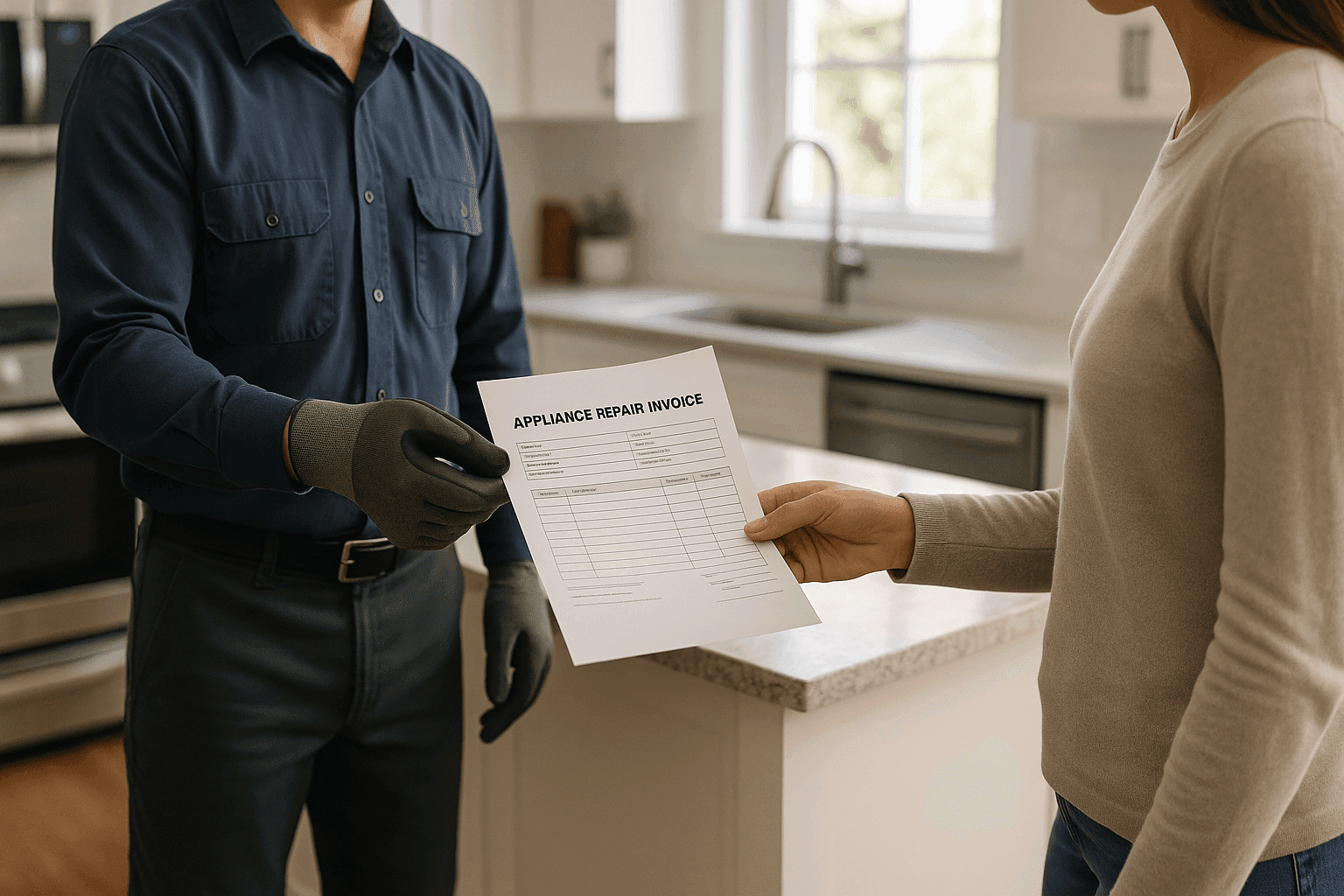
Home appliances keep the heart of your home beating. When one stops working, it feels like a wrench thrown in your daily plans. But what’s the real price tag for fixing these essential machines? And how do you know when it’s time to repair—or say goodbye?
At Appliance Repair Nerds, we know the numbers, the headaches, and the industry inside out. Let’s break down what homeowners really pay for appliance repairs, why prices swing so widely, and how you can make the smartest move for your budget and peace of mind.
Why Do Appliance Repair Costs Vary So Much?
One homeowner’s quick fix is another’s full-day project. Costs rise and fall like the tide, based on a handful of factors:
- Parts: Some brands use specialized components. Others? Off-the-shelf. Prices can jump from a few dollars to a few hundred.
- Labor: Complex repairs or hard-to-reach machines rack up more hours.
- Brand & Model: High-end or imported appliances tend to cost more to fix.
- Urgency: Emergency or after-hours repairs often carry premium rates.
- Age of Appliance: Older models may need rare parts or extra attention.
Think of appliance repair costs like fixing a car: it’s never just about the part. It’s about skill, speed, and what’s under the hood.
Kitchen Appliance Repairs: Fridge, Oven, Dishwasher 🧊
The kitchen is command central, and when appliances fail, so does dinner. Here’s what you can expect:
Refrigerator & Freezer Repair
- Typical cost range: $150–$600
- Common issues: Faulty thermostats, broken water dispensers, ice maker malfunctions, clogged coils.
- Factors: High-end brands (Sub-Zero, Viking) often mean pricier parts. Urgent repairs—like a fridge on the fritz in midsummer—can push costs higher.
When to Replace
If your fridge is more than 12–15 years old and repair costs approach half the price of a new unit, replacement is usually the smarter play.
Oven, Range, & Cooktop Repair
- Typical cost range: $120–$500
- Common issues: Heating element failures, control panel repair, burner problems, or door issues.
- Factors: Gas appliances sometimes require licensed technicians, raising labor rates. Outdated ovens may have hard-to-source parts.
When to Replace
If your oven or range is pushing 15 years and the repair involves the main control board or heating elements, consider a replacement.
Dishwasher Repair
- Typical cost range: $110–$350
- Common issues: Water not draining, spray arms not spinning, electrical faults, broken door latches.
- Factors: Built-in models may add labor time due to removal and reinstallation.
When to Replace
If the tub is cracked or the motor fails on a 10+ year-old machine, replacement is often more cost-effective.
Laundry Appliance Repairs: Washers & Dryers 👕
Laundry day waits for no one. When washers or dryers break, the dirty clothes mountain grows fast.
Washing Machine Repair
- Typical cost range: $125–$400
- Common issues: Leaking hoses, broken pumps, unbalanced drums, control issues.
- Factors: Front-loaders can cost more to repair due to complex drum assemblies. Stackable units may require extra labor.
When to Replace
If the tub is damaged or the transmission fails on an older machine (8–12 years), replacement is usually best.
Dryer Repair
- Typical cost range: $120–$350
- Common issues: Heating elements, faulty thermostats, broken belts, or motor repair.
- Factors: Gas dryers can be pricier due to safety checks and venting. Emergency repairs during cold months may increase costs.
When to Replace
If the drum or motor needs major work on a dryer over 10 years old, consider a new model for better efficiency.
Specialty Appliance Repairs: Wine Coolers, Trash Compactors & More 🍷
Not every home has a trash compactor or wine cooler, but if you do, you know how frustrating breakdowns can be.
Wine Cooler Repair
- Typical cost range: $150–$450
- Common issues: Thermostat failure, compressor issues, fan repair, leaking seals.
- Factors: High-end models can cost much more, especially if parts are imported.
Trash Compactor Repair
- Typical cost range: $100–$300
- Common issues: Jammed ram, broken switches, motor issues.
- Factors: Older or discontinued models may require hard-to-find parts.
Other Specialty Appliances
- Microwave, range hood, garbage disposal: $90–$300, depending on the repair and parts needed.
- Vent hood repair, filter/burner cleaning, appliance installations: $80–$250, based on accessibility and complexity.
When to Replace
If repair costs exceed 50% of the price of a new specialty appliance, replacement is usually the wisest option.
Emergency and Seasonal Repairs: Timing Matters 🕒
- Holiday oven failures: Need a working oven for Thanksgiving? Expect higher rates for urgent, after-hours service.
- Summer fridge repairs: A broken fridge in July can’t wait. Emergency appliance_repair near you often means premium pricing.
- Winter laundry machine breakdowns: Demand for heating elements repair spikes.
Tip: Plan regular maintenance before peak seasons. Emergency rates can add 25–50% to standard repair prices.
Hidden Costs to Watch Out For
When budgeting for appliance repair, don’t overlook these sneaky expenses:
- Service call fees: Many pros charge a diagnostic fee, usually $60–$120, applied to the final bill if you proceed.
- Disposal fees: Removing and hauling away old appliances can add $50–$150.
- Installation charges: Installing new units or built-ins often costs extra.
- Parts markup: Some rare or proprietary parts have a higher price tag.
Consumer Tip: Ask for a written estimate and verify if fees are rolled into the total quote.
What Appliance Repair Pros Do on Arrival
When a certified technician arrives, here’s what to expect:
- Inspect and diagnose the problem.
- Check for safety hazards (gas leaks, electrical issues).
- Quote a price, including parts and labor.
- Explain your options: repair or replace, emergency or scheduled.
- Perform code-compliant work, following National Electrical Code (NEC) or manufacturer guidelines.
Always look for technicians certified by groups like the Professional Service Association (PSA) or who follow EPA guidelines for refrigerant handling.
Quick Safety Checklist Before Repair
- Unplug the appliance or turn off the circuit breaker.
- For gas appliances, shut off the gas supply.
- Never try to repair sealed systems (fridges, ACs) yourself.
- Keep kids and pets out of the work area.
- If you smell gas or see sparks, evacuate and call your utility provider.
DIY vs. Call a Pro
- Simple fixes (changing filters, cleaning dryer vents): DIY-friendly with proper safety precautions.
- Electrical, gas, or sealed system repairs: Always call a professional. Mistakes can be dangerous, void warranties, or violate local codes.
The right pro brings experience, proper tools, and liability insurance—think of it as insurance for your home.
Prevention & Maintenance: Saving Money Long-Term
- Clean refrigerator coils every 6–12 months to avoid overheating.
- Replace dishwasher and washing machine filters as recommended.
- Schedule annual dryer vent cleaning—reduces fire risk and keeps efficiency high.
- Run self-cleaning oven cycles and check seals.
- Address minor leaks or noises early to prevent bigger (costlier) breakdowns.
Following manufacturer maintenance schedules can add years to your appliance’s life and keep repair bills in check. The U.S. Consumer Product Safety Commission offers helpful guidelines on safe home appliance use.
Costs & Time Factors: What to Expect
- Parts availability: Major brands are easier and faster to source.
- Labor time: A simple fix may take under an hour; complex issues (like motor replacement) can span several.
- Seasonal demand: Expect wait times and higher prices during holidays or severe weather.
Rule of thumb: If the repair is more than half the cost of a new appliance, replacement is usually the better deal.
When It’s an Emergency
- No power, water leaks, or burning smells? Unplug and call for emergency appliance_repair near you.
- For gas leaks, leave immediately and call your gas company or emergency services.
Emergency repairs are more expensive but can prevent major property damage or safety hazards.
Frequently Asked Questions
How do I know if my appliance is worth fixing?
Generally, if it’s under 10 years old and the repair is less than half the price of a new one, it’s worth fixing.
Should I use original or aftermarket parts?
OEM (Original Equipment Manufacturer) parts are safest and keep warranties valid, but some quality aftermarket parts can be cost-effective. Ask your technician about options.
Are appliance repairs covered by home insurance?
Most home insurance policies do not cover repairs due to normal wear and tear. Some home warranties may, but always check the fine print.
Can I get a quote over the phone?
A ballpark estimate is possible, but a technician needs to diagnose the issue in person for an accurate price.
Local & Seasonal Considerations
- Peak seasons: Before holidays (ovens, ranges), summer (fridges, freezers), and spring (washers, dryers).
- Rural vs. urban: Travel fees or limited technician availability can affect costs.
- Weather impact: Storms or heat waves can increase appliance failures.
Plan ahead and book routine maintenance during off-peak times for the best pricing and availability.
Repair or Replace? A Simple Decision Framework
- Age: Under 10 years old? Repair. Over 15? Consider replacement.
- Cost: If repair costs are more than 50% of a new appliance, replacement makes sense.
- Efficiency: New models often save energy, water, and money in the long run.
- Parts: If parts are obsolete or on backorder, replacement could be the only option.
- Frequency: If you’re calling for the same repair more than once a year, it’s time for an upgrade.
Remember, a trustworthy technician will walk you through your options and help you make a decision that fits your needs, not just their schedule.
Ready for honest answers and reliable service?
Call Appliance Repair Nerds now — or reach us anytime at 888-815-3599 .